We built the BD engine we'd sell to a client — and ran it on ourselves first.
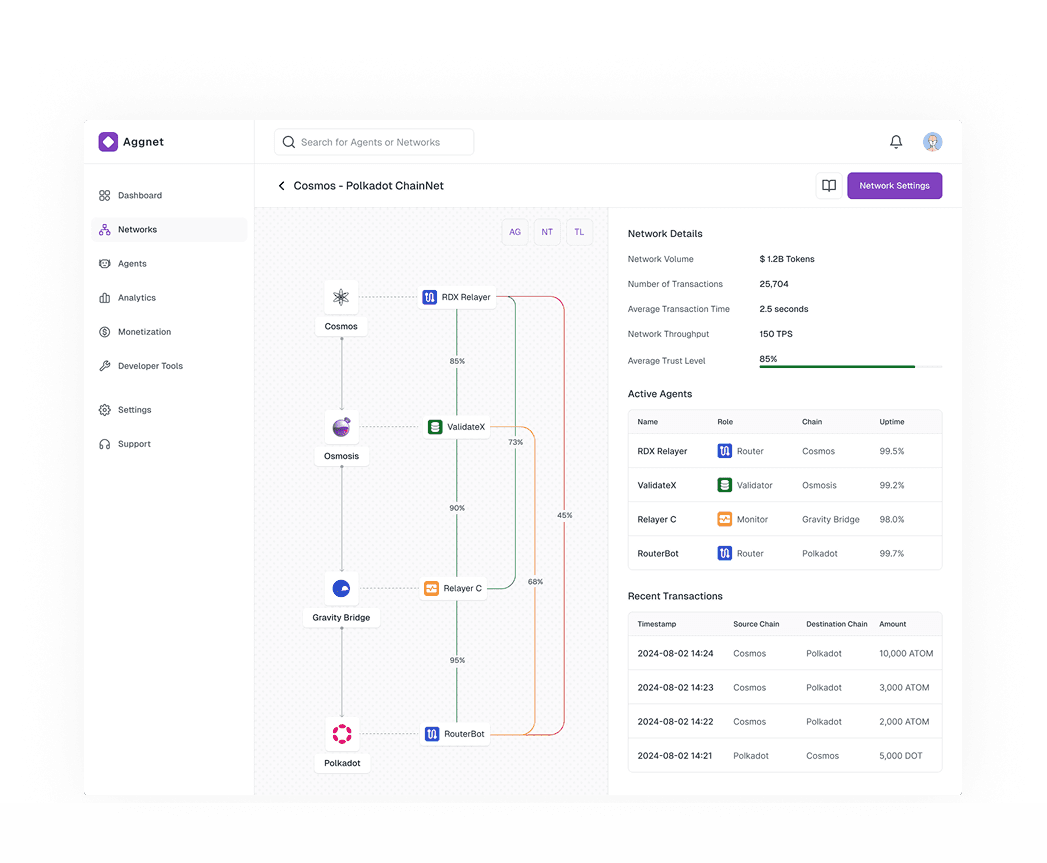
Scout is V1's internal business development system. It watches for companies that need our services, audits their digital presence, drafts hyper-personalised outreach, and routes everything to a human for one decision: send or skip. We built it to prove the model works before we pitch it to anyone.
Timeline
3 weeks
Service
AI Systems
Scope
Internal tool
Status
Live
Scout is V1's own business development engine — a multi-agent AI pipeline that discovers leads by signal, audits their digital presence, and drafts two personalised outreach variants before a human ever sees it. The whole point was to eat our own cooking: build the system we'd build for a client, run it on our own BD, and document what actually works.
Good BD is research-intensive. We automated the research.
Effective outreach starts with a specific reason to reach out — not "we help companies grow" but "your site scored 34 on mobile PageSpeed, you just raised a Series A, and you're still running Webflow." Getting to that level of specificity manually takes 20–30 minutes per company. At scale, that's not a process — it's a bottleneck.
We defined four signals that reliably indicate a company needs V1's services: a strong business with a weak or outdated site, a product with a public backlog of unshipped features, a team posting repetitive ops roles that should be automated, and a company that just announced a pivot, raise, or rebrand. Scout watches for these and builds the brief automatically.
The constraint we held throughout: a human had to approve every email before it sent. The quality bar for outreach is high and the cost of a bad email is real. The system handles the research and drafting. The human handles the judgement call.
Four signals. Three agents. One send button.
Signal detection & lead intake
Leads enter Scout tagged with one of four signals — Embarrassing Site, Stuck Product, Manual Team, or Launch Window. Each signal pre-loads the Auditor agent with the right context: what to look for, why now, and which V1 service is the likely fit. The signal is the brief. Without one, the lead doesn't move.
The Auditor agent
On lead creation, Inngest fires an event that triggers the Auditor. It runs a Google PageSpeed audit, fingerprints the tech stack (Next.js, Webflow, custom, legacy), and passes everything to Claude with a precise prompt: evaluate this company as a potential client, score the site 1–10, identify the top three issues, and write a 'why now' paragraph that references the specific signal and explains why reaching out this week is timely. Output is structured JSON.
The Voice agent
Audit complete, Inngest fires a second event — the Voice agent. It receives the audit findings and generates two email variants: Variant A leads with urgency (the cost of the current situation), Variant B leads with curiosity (a specific, unexpected observation). Hard rules enforced by the prompt: never mention AI, maximum three sentences plus a CTA, reference exactly one company-specific finding, peer-level tone — not a pitch, a peer noticing something.
Human review & approval
The lead lands in the review queue with everything the human needs: audit findings, a Why Now summary, site issues, and the two draft variants side by side. One click to approve A, one click to approve B, or toggle to custom edit mode and rewrite from scratch. Approve & Send triggers Resend, logs the send, and schedules a follow-up four days out via Inngest if no reply arrives.
Operational UI. Every screen had one job.
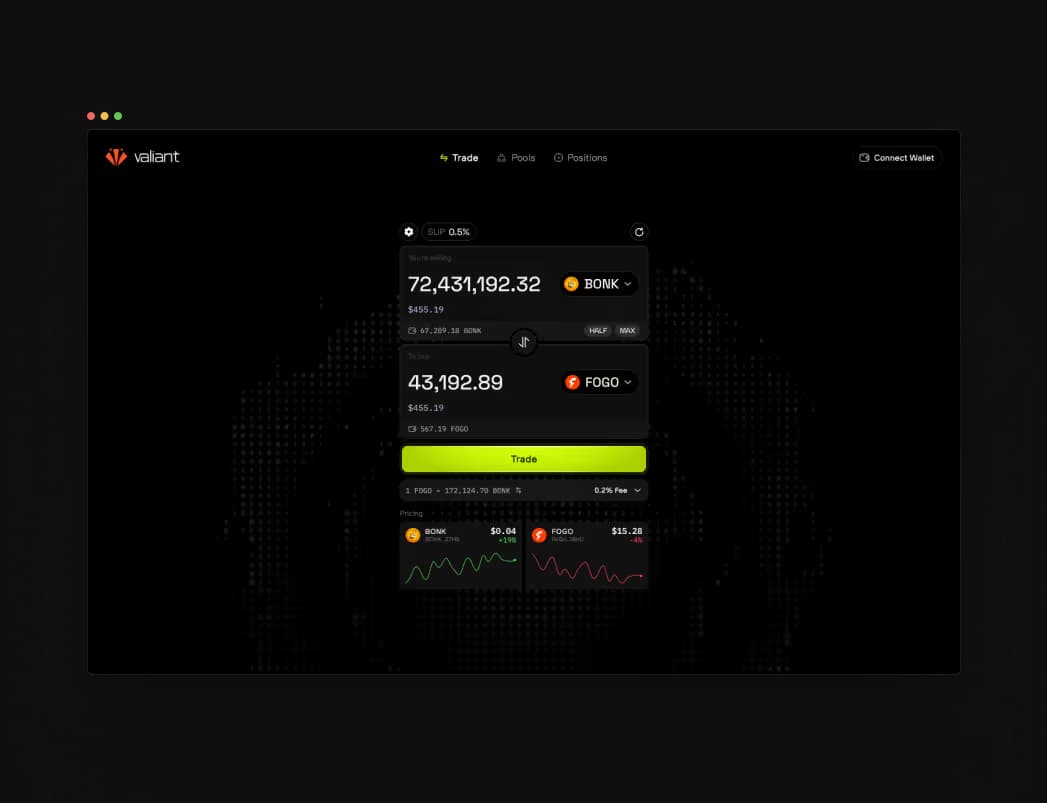
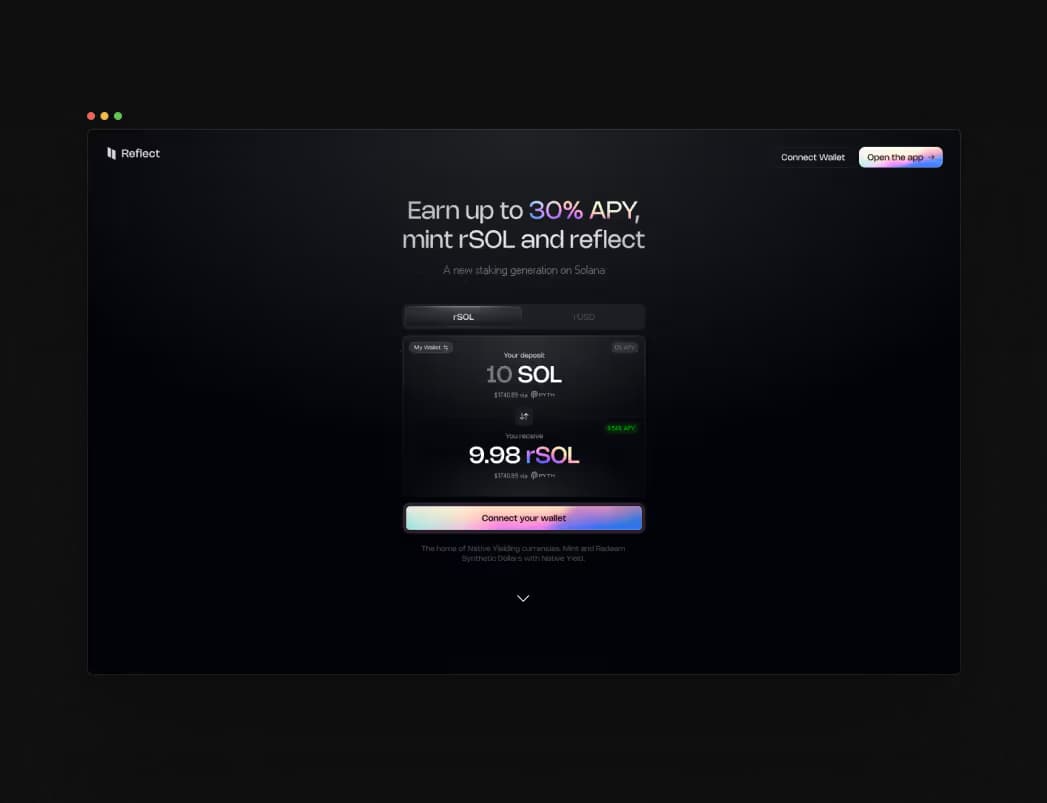
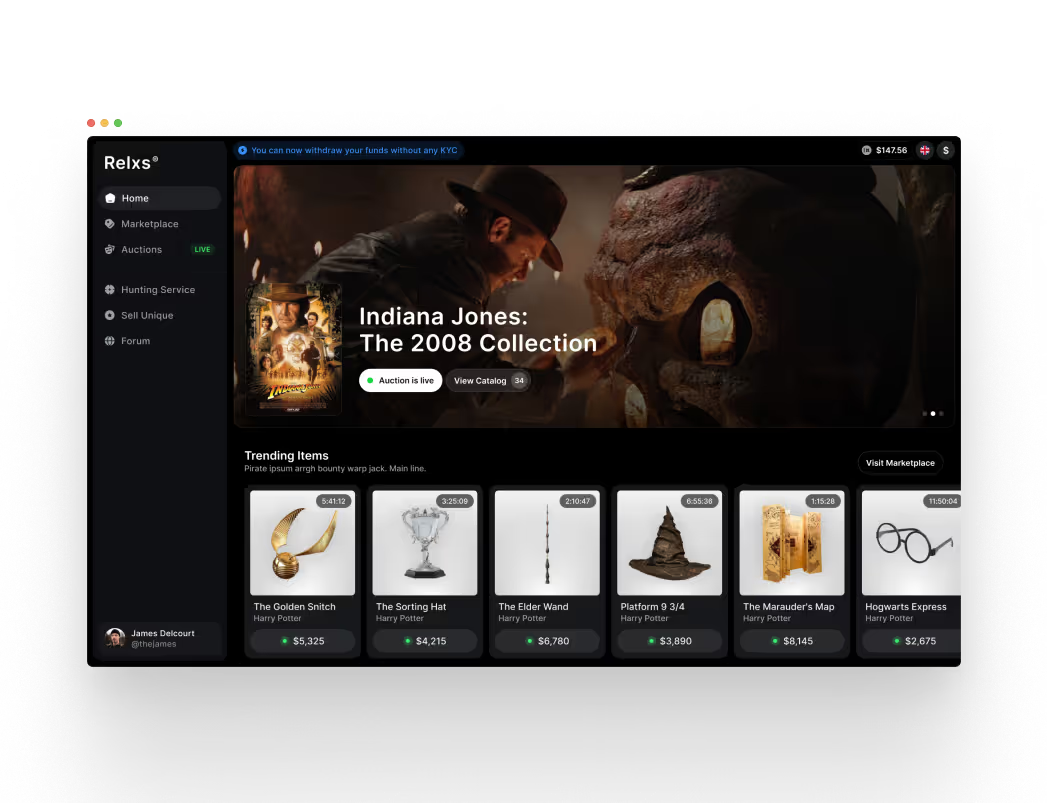
The interface was built for speed of review — a human should be able to process a lead in under two minutes. Dense information layout, colour-coded status and signal badges, a split-pane lead detail view that keeps audit context visible while you're reading draft copy. No decorative UI. Everything is load-bearing.
A system that works, documented so clients can trust it.
Scout runs on V1's own pipeline. We use it to find clients, send outreach, and track what converts. The same architecture — event-driven agents, structured AI output, human-in-the-loop approval — is what we now build for clients under the AI Systems service. We didn't build it as a demo. We built it as infrastructure.
“We built Scout because we wanted to know if this kind of system actually works — not in theory, but in production, on real outreach, with real reply rates. It does. That's why we sell it.”
V1 Team
Built internally at V1